The Psychology Behind Great Team Names: Why Some Names Work Better Than Others
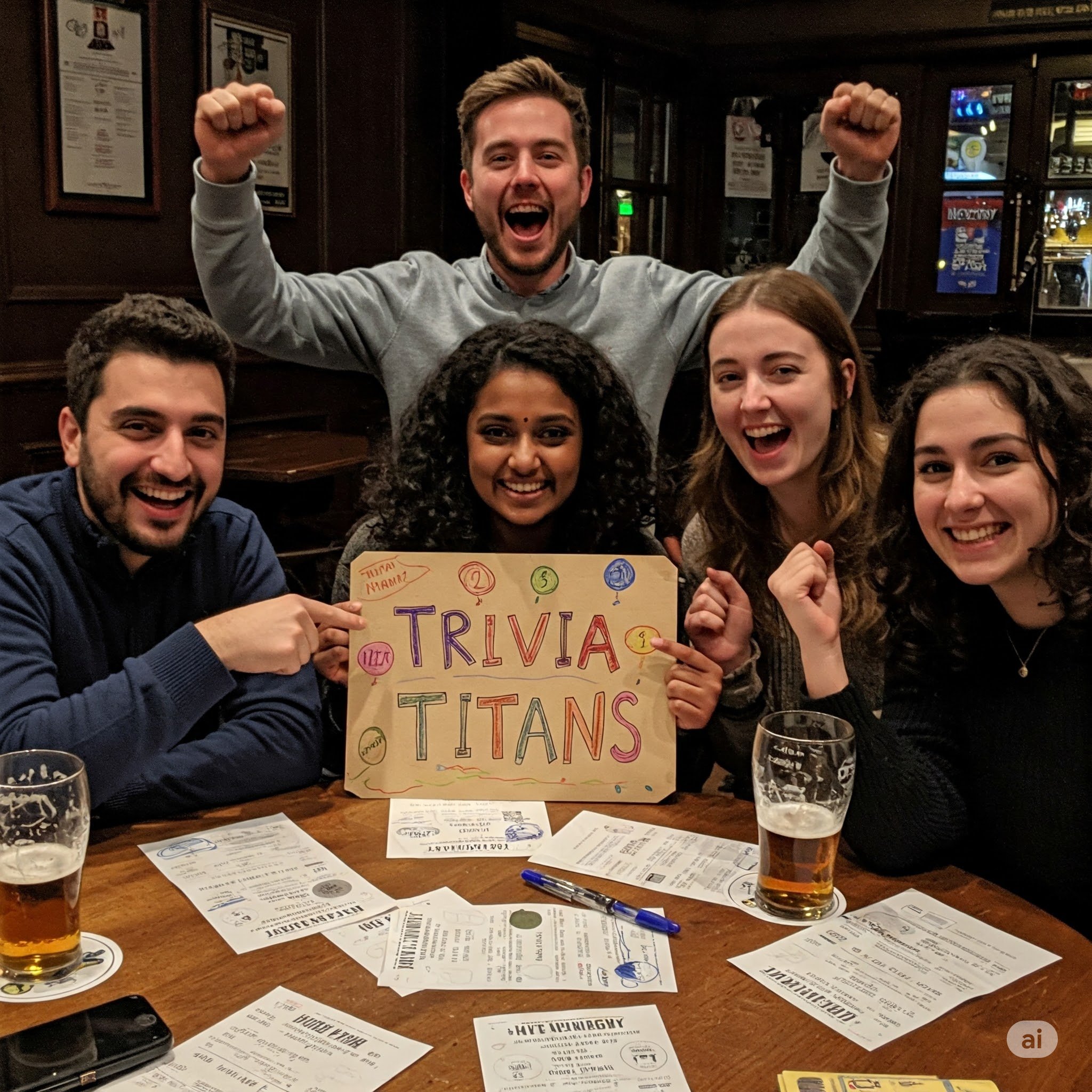
Have you ever wondered why some team names instantly click while others fall flat? There's actually a fascinating psychological basis behind what makes certain team names more effective, memorable, and motivating than others. In this article, we dive into the science of team naming and explore how different types of names can influence team performance and morale.
Research suggests that team names serve multiple psychological functions: they create a shared identity, build camaraderie, and can even boost confidence. Names that incorporate humor, wordplay, or clever references often perform particularly well because they foster positive emotions and strengthen group bonds.
The Science of Belonging
When team members rally behind a shared name, they experience what psychologists call "social identity" - a powerful sense of belonging that can enhance motivation and commitment. Studies show that teams with names they collectively identify with demonstrate higher levels of cooperation and effort.
Memory and Recognition
The most effective team names are those that stick in memory. Names with these characteristics tend to perform best:
- Distinctiveness: Unique names stand out and avoid confusion
- Relevance: Names connected to the team's purpose or shared interests
- Emotional resonance: Names that evoke positive feelings
- Simplicity: Easy to pronounce and remember
Humor as a Bonding Agent
Funny team names serve a special psychological purpose. They:
- Break ice in new groups
- Establish a playful atmosphere that reduces stress
- Create shared inside jokes that strengthen relationships
- Signal creativity and openness to new ideas
Types of Effective Team Names
1. Strength-Based Names
Names that evoke power, competence, or expertise can actually improve performance through psychological priming. Research has found that teams with confidence-boosting names often perform better in competitive situations.
2. Identity-Affirming Names
Names that reflect shared values, backgrounds, or interests help team members feel understood and appreciated, increasing their investment in group success.
3. Clever References
Names incorporating wordplay, puns, or cultural references create cognitive pleasure when understood, forming an immediate bond among those "in on the joke."
Real-World Applications
The business world has long understood this psychology. From sports franchises to corporate project teams, thoughtful naming can drive engagement and performance. Even in casual settings like trivia nights or recreational sports leagues, the right team name sets the tone for interaction and collaboration.
Choosing Your Team Name
The next time you're tasked with naming a team, consider these psychological principles. The perfect name should:
- Resonate with all team members
- Reflect your collective identity and goals
- Incorporate elements of creativity or humor when appropriate
- Be memorable without being divisive
Remember, a great team name does more than just identify your group—it can actually influence how you work together and how others perceive you. Choose wisely!